Notes
Slide Show
Outline
1
"Luís Orlindo Tedeschi"
  • Luís Orlindo Tedeschi
  • Assistant Professor
  • Texas A&M University
2
Why Nutrition Models ?
3
Knowledge in the NRC pubs
4
Feeds and feeding
5
Environmental (clime) effects
6
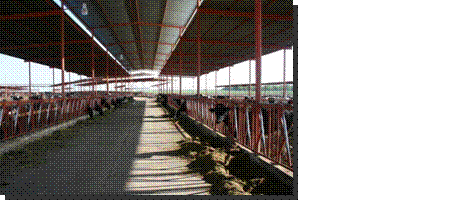
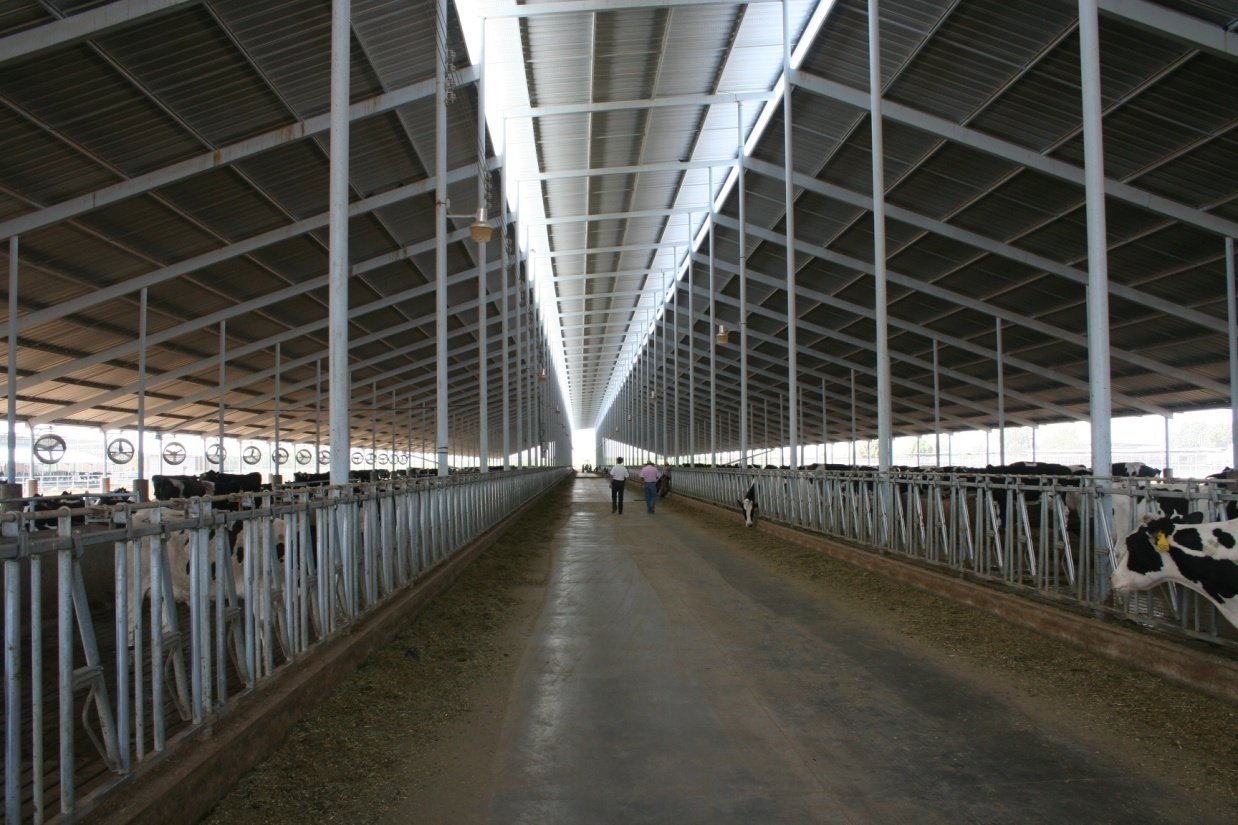
Production systems (dairy)
7
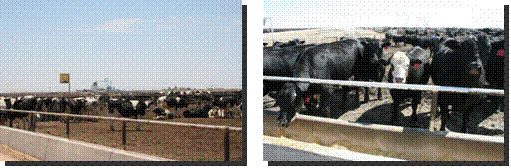
Production systems (beef)
8
Application of models
9
 
10
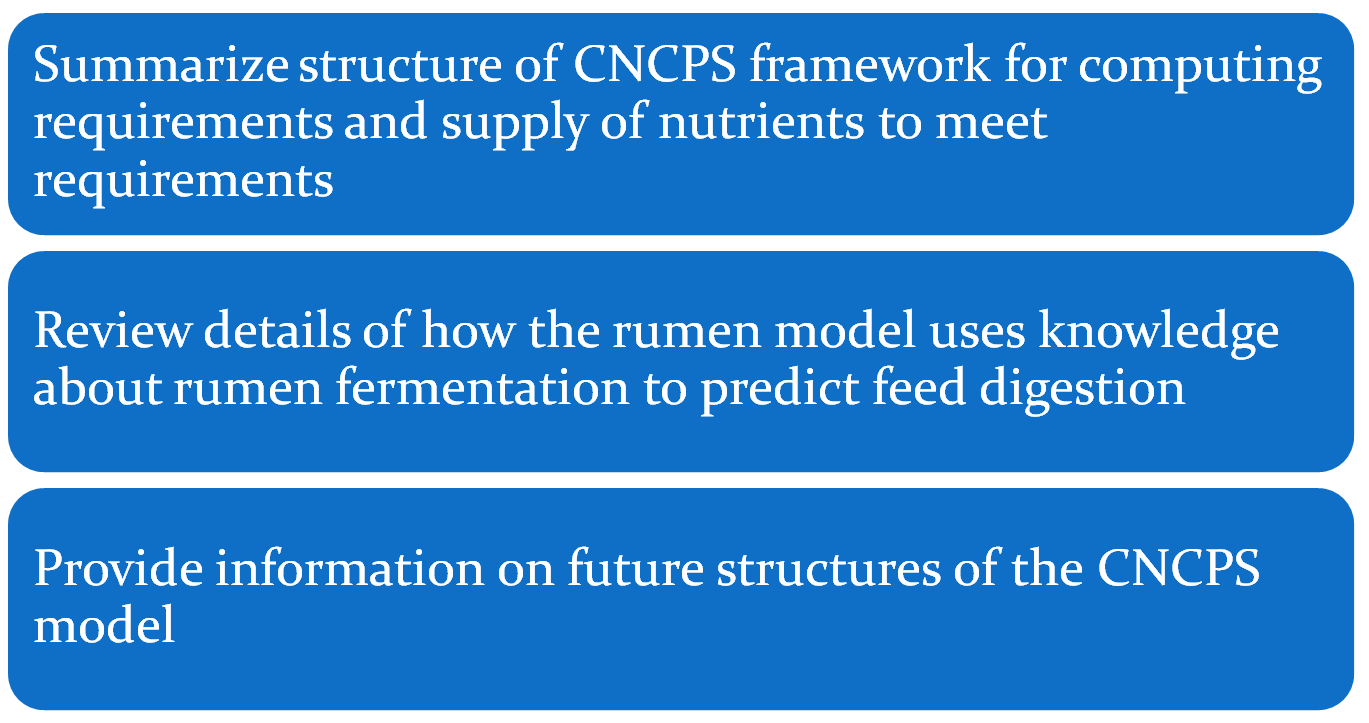
Objectives of the presentation
11
Step 1 – Predicting requirements
12
Step 2 – Estimating supply
13
 
14
 
15
 
16
"1"

  • 1. Maintenance
17
Factors affecting maintenance
  • Heat or Cold stress
    • External Insulation
      • Coat Condition
      • Wind speed
      • Hide Thickness
    • Internal Insulation
      • Condition Score
      • Age
  • Body weight
  • Physiological State
    • Dry
    • Lactating
    • Compensating
  • Acclimatization
    • Previous temperature
18
 
19
Maintenance requirements
  • Dairy Heifers = SBW0.75 x 0.086, Mcal/d
  • Dairy Cows = SBW0.75 x 0.080, Mcal/d
  • Beef = SBW0.75 x 0.077, Mcal/d


  • Include basal metabolism + 10% for physical activity
20
Environmental (clime) effects
21
"2"

  • 2. Growth
22
NEg required in the US
  • Genotype - over 80 types have been identified
  • Sex
    • Feedlot steers, heifers & bulls
    • Replacement heifers
    • Bulls
    • Cows
  • Implant combinations
  • Feeding systems
23
Breeds effect
24
Nutrition & feeding levels
25
Setting target body fat
26
Breed type vs. body fat
27
Predicting growth requirement
28
Protein composition
29
Fat composition
30
Calculation of EqSBW to a SRW


  • EqSBW = Actual SBW x (SRW / FW)


  • SRW:
  •    435 kg @ 25% EBF
  •    462 kg @ 27% EBF
  •    478 kg @ 28% EBF
31
 
32
Net energy requirement
  • Final weight: 478 kg A B
    • Weight, kg 227 408
    • NEm, Mcal/d 4.51 7.00
  • Final weight: 667 kg C D
    • Weight, kg 324 583
    • NEm, Mcal/d 5.89 9.15
  • NEg, Mcal/d
    • 0.68 kg/d 2.14 3.32
    • 1.59 kg/d 5.42 8.42
33
"3"

  • 3. Body Reserves
34
Changes in body reserves
35
 
36
Energy reserves @ different BCS
37
"4"

  • 4. Pregnancy and Lactation
38
Pregnancy and lactation
39
Requirements for pregnancy
40
Requirements for lactation
41
"1"

  • 1. Rumen: Fractionation
42
CHO and protein fractionation
43
Chemical feed analysis
  •  Crude protein (CP)
  •   Soluble CP (SolCP)
  •   Non-protein N (NPN)
  •   NDF Protein (NDIN)
  •   ADF Protein (ADIN)
  •  Dry matter (DM)
  •   Ash
  •   NDF
  •   Ether extract (EE)
  •   Lignin
  •   Starch
44
 
45
 
46
"2"

  • 2. Rumen: Degradation
47
Rumen degradation
  • Assumptions in the model:
    • Steady-state condition (dCHO B/dt = 0)
    • Linear relationship between flows and stocks
48
Feed dynamics in the rumen
49
"3"

  • 3. Rumen: Effective NDF
50
 
51
Physically effective NDF (peNDF)
52
 
53
Physical effectiveness of grains
54
Observed vs. predicted chewing
55
 
56
 
57
Using Z-Box to predict peNDF
  • Z-Box system promising for determination of pef of “as fed” samples
    • Vigorous vertical shaking
    • 150 g/sample (3 - 50 g/replicates)
    • pef Z-Box similar to pef1.18
    • CS and TMR: 3.18-mm sieve
    • Haylage: 4.76-mm sieve
    • Use different sieves for different feed types
58
"4"

  • 4. Bacteria
59
Modeling ruminal bacteria growth
60
Modeling ruminal bacteria growth
  • Depends on requirement of CHO for maintenance (km), maximum yield (Yg), and kd
  • Km1 (FC bacteria) = 0.05 g FC/g bact/h
  • Km2 (NFC bacteria) = 0.15 g NFC/g bact/h
  • Yg affected by peNDF < 20%; 0.4 g bact/g CHO
61
Bacteria yield: FC x NFC
62
NFC bacteria yield
63
"5"

  • 5. Intestine
64
Intestinal digestibility coefficients
  • Based on Sniffen et al. (1992) and Knowlton et al. (1998)
  • Protein
    • A, B1 and B2 = 100%
    • B3 = 80%
    • C = 0%


  • Carbohydrate
    • B2 (NDF) = 20% due to lack of proper enzymes
    • B1 (Starch) based on observation of the feces and in adjusting inputs to account for predicted and actual animal performance
65
Starch (B1) Intestinal Digestibility
66
Intestinal digestibilities
67
 
68
Future modeling research
69
 
70
Pattern of DMI
71
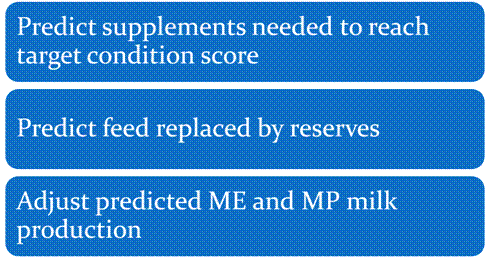
Fluxes of body reserves
72
2. Dynamic rumen model
  • Basis for VFA and AA system
  • Synchronization of energy-protein
  • Methane production
  • Pool size
73
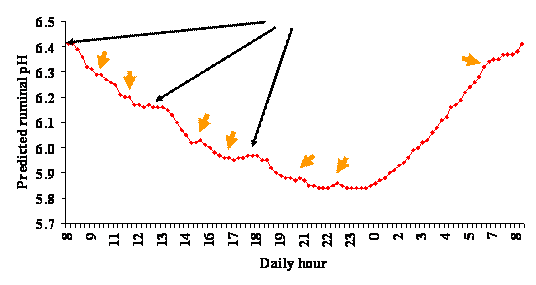
Beef cattle ruminal pH
74
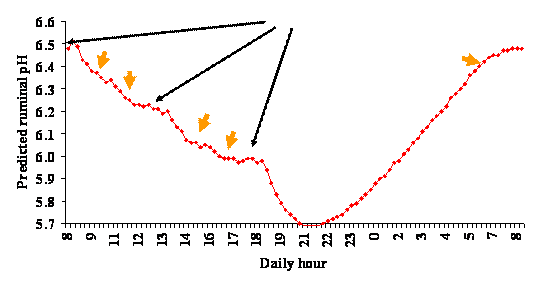
Beef cattle ruminal pH
75
3. Ruminant dry matter intake
  • DMI indirectly dictates the profile of VFA produced in the rumen via acid load and pH
  • DMI is not controlled by one specific mechanism, but by a multifactorial system, which seeks for a balance
  • Need to understand the behavior of DMI
76
Scheme of feed intake control
77
 
78
4. Passage rate model
  • Seo et al. (2006) equations were the best among a total of 8 tested equations
  • However, the predictability was still low
    • Forage passage
      • R2 = 39%
      • RMSPE = 0.011 h-1
    • Liquid passage
      • R2 = 25%
      • RMSPE = 0.033 h-1
79
Quantification of digesta outflow
  • Digesta outflow is a function of:


    • Frequency and duration of the ROO opening


    • Digesta flow per second of the ROO opening
80
Liquid dynamics model
81
Prediction for Kp Liquid
82
Prediction for Kp Forage
83
Summary
84